
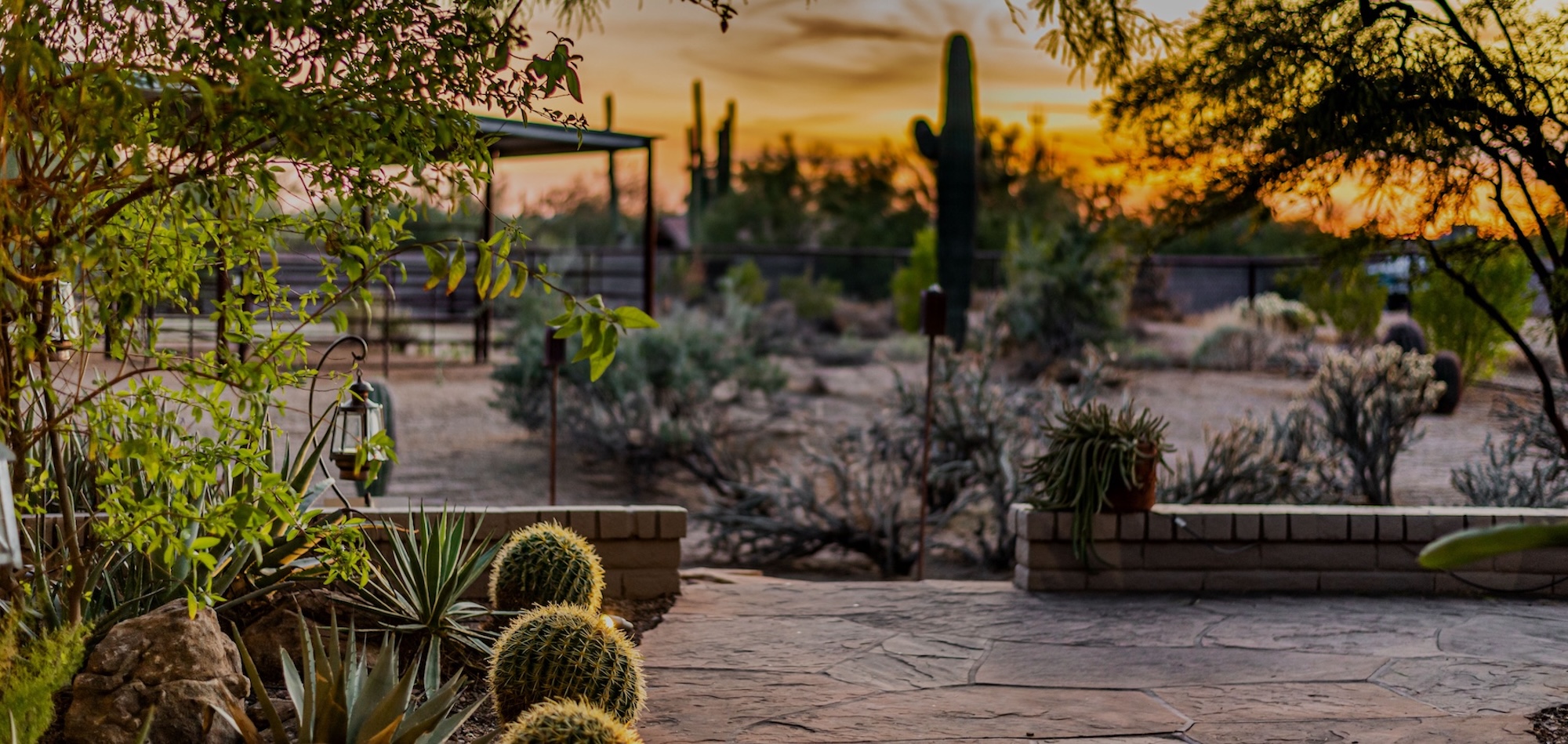
Creating a Beautiful Outdoor Space That Works With the Desert Climate
Scottsdale’s intense sunlight and prolonged summer heat can quickly expose poor plant choices. A plant may look attractive at a supplier, but that does not mean it will remain healthy after months of direct sun and high temperatures. A professional landscape designer in Scottsdale, AZ chooses plants by considering the property’s conditions, the surrounding architecture, the desired appearance, and the way each selection will function within the complete landscape design. At Desert Environments, plant selection is not treated as an isolated decision. It is part of a thoughtful process that brings plant beds, trees, rock and boulder placement, pavers, water features, landscape lighting, and entertainment areas together in one cohesive outdoor space.
The main goal is to select plants that are appropriate for an arid environment while still creating the color, texture, shade, balance, and visual interest the property owner wants. This requires local knowledge because Scottsdale’s conditions are different from those found in cooler or wetter regions. A successful design must respond to the heat rather than fight against it. By examining sunlight exposure, plant placement, surrounding materials, and long-term appearance, a landscape designer can create an outdoor setting that flourishes in the urban desert.
Why Plant Selection Requires Careful Landscape Design
Plant selection involves much more than choosing varieties that are described as heat-tolerant. Two areas of the same Scottsdale property can expose plants to very different conditions. A plant beside a warm wall may receive additional reflected heat, while another plant a few feet away may benefit from shade created by the home, an outdoor fireplace, or a mature tree. The amount and timing of sunlight can also change throughout the day, making careful site observation an essential part of the design process.
A landscape designer evaluates these differences before deciding what belongs in each part of the yard. Areas receiving intense afternoon sun generally require especially resilient selections, while locations with partial shade may support plants that need some protection from the strongest heat. The designer must also consider how nearby pavers, decorative masonry, rocks, and other surfaces may retain and release warmth. These features can contribute to a beautiful custom landscape design, but their placement must be coordinated with the surrounding plants.
Desert Environments approaches landscape design by looking beyond individual features. Mike Kiesler brings more than 25 years of experience in the landscaping industry and has worked as an accomplished landscape designer for more than 12 years. This experience supports decisions that are appropriate for arid environments and compatible with the unique architectural characteristics of Scottsdale neighborhoods.
Heat Tolerance Is Only One Part of the Decision
A common misconception is that any desert plant can be installed anywhere in a Scottsdale yard. Although a plant may originate from a warm region, it may still have specific preferences regarding sunlight, placement, surrounding heat, and available growing space. Selecting plants based only on their appearance or a general heat-tolerant label can produce an unbalanced landscape or lead to disappointing results.
A qualified landscape designer in Scottsdale, AZ, considers how each plant is expected to develop over time. Young plants may appear small and easy to place, but their mature size can affect walkways, gathering areas, water features, landscape lighting, and other nearby elements. Thoughtful spacing helps prevent plants from overwhelming one another or interfering with areas intended for movement and entertainment.
The designer must also think about how different selections will look together. Plant height, shape, color, density, and texture all influence the finished environment. A strong landscape design may combine structural plants with softer plant beds, carefully selected trees, and rock or boulder placement to create contrast without making the yard feel crowded. Every choice should contribute to the complete aesthetic vision.
Scottsdale’s Architecture Influences Plant Choices
Landscape design should connect naturally with the home rather than appear separate from it. Scottsdale includes properties with a wide range of architectural styles, and the plants surrounding a home should help strengthen its character. A landscape designer studies the lines, materials, colors, and scale of the structure before developing the planting plan.
A clean, modern property may benefit from defined plant groupings and carefully controlled repetition. A home with more traditional desert details may call for layered plant beds, distinctive trees, decorative masonry, and selected rocks or boulders that establish a natural transition between the structure and the surrounding environment. The objective is not to follow one rigid formula. It is to develop an outdoor space that feels intentional and appropriate for the individual property.
This connection becomes especially important when the landscape includes paver installation, an outdoor kitchen, a BBQ island, an outdoor fireplace, or a water feature. Plants should soften and frame these elements without restricting access or hiding important details. Their placement helps lead the eye through the outdoor living space and creates a sense of continuity between one area and the next.
Do You Need a Landscape Designer for Your Outdoor Space?
Don’t wait—start planning your custom landscape today!
Why Climate-Appropriate Plants Matter in Scottsdale
The extreme heat of Scottsdale can make unsuitable plant selections difficult to maintain and visually inconsistent with the surrounding landscape. Plants that are poorly matched to their locations may struggle during the hottest months, making the entire outdoor space appear less polished. Choosing plants that are appropriate for the local environment supports a more dependable and cohesive design.
Climate-appropriate plant selection also protects the homeowner’s overall investment in the property. Plant beds, pavers, landscape lighting, outdoor kitchens, fireplaces, and water features are most effective when they work together. If the planting plan is treated as an afterthought, the surrounding features may feel disconnected. A professional design coordinates living and constructed elements from the beginning so that each part supports the others.
This is particularly valuable for homeowners who want an outdoor living space for gathering, relaxing, or entertaining. Plants influence privacy, visual boundaries, shade, focal points, and the overall atmosphere of an area. A well-placed tree may help define a sitting area, while thoughtfully arranged plant beds can make a walkway or outdoor kitchen feel more welcoming. These choices allow the yard to provide beauty and function at the same time.
Creating Visual Interest Without Overcrowding the Yard
Scottsdale landscapes do not need to be filled with excessive plant material to feel lush or inviting. In many cases, a smaller number of carefully selected plants can make a stronger impression than a crowded arrangement. Repetition, spacing, and contrast help create rhythm throughout the property while allowing individual features to remain visible.
A landscape designer may use groups of related plants to create continuity across several plant beds. Taller selections can establish structure, while lower plants can soften pavers, decorative masonry, or selected rocks. Distinctive trees may become natural focal points when they are given enough room to stand apart from the surrounding landscape.
Negative space is equally important. Open areas allow plants to be appreciated individually and prevent the landscape from competing with outdoor kitchens, water features, fireplaces, or other prominent elements. Desert Environments develops layouts in which every feature has a purpose rather than filling available space without a clear plan.
Supporting a Comfortable Outdoor Living Space
Plants affect more than the appearance of a yard. Their placement can change how an outdoor space feels and how people move through it. Properly positioned selections may help define gathering areas, frame views, create separation between functions, or guide guests from one part of the property to another.
For example, plant beds can establish a natural border around an outdoor kitchen without blocking access to the area. Trees can add vertical interest near a paver patio, while lower selections can preserve visibility around walkways. Around an outdoor fireplace, plants should enhance the setting while leaving the feature open, accessible, and visually prominent.
Landscape lighting can further strengthen these arrangements after sunset. A lighting system can highlight tree forms, plant textures, walkways, rock placement, water features, and entertainment areas. Because the plants will grow and change, a landscape designer must consider their mature forms when coordinating them with lighting. This prevents fixtures from becoming hidden and helps maintain the intended nighttime appearance.
How a Landscape Designer Selects Plants for Extreme Heat
A successful planting plan begins with an evaluation of the property rather than a predetermined list of plants. The landscape designer studies how sunlight moves across the site, where heat is likely to collect, which areas receive protection, and how the property owner intends to use the outdoor space. These observations guide every later decision.
The designer then develops a visual direction that reflects the home and the owner’s preferences. Some clients prefer a clean arrangement with strong shapes and open space, while others want fuller plant beds with varied colors and textures. The selected plants must support that desired appearance while remaining suitable for Scottsdale’s arid climate.
Evaluating Sunlight and Reflected Heat
Direct sunlight is one of the most important considerations in Scottsdale, but it is not the only source of heat. Walls, windows, pavers, decorative masonry, rocks, and other hard surfaces can reflect or retain warmth. A location that appears suitable in the morning may become significantly hotter during the afternoon.
A landscape designer in Scottsdale, AZ, evaluates each planting area individually. South- and west-facing locations may experience especially strong exposure, while areas near walls or large paved surfaces may remain warm after the sun has moved. Plants chosen for these locations must be able to handle the specific conditions rather than simply being described as suitable for Arizona.
Protected areas may allow for different selections, but those choices still need to fit the overall design. The result should feel consistent across the property even when separate areas require different types of plants.
Planning for Mature Plant Size
One of the most important parts of professional plant selection is looking beyond the day of installation. Plants that appear properly spaced when young may compete for room as they grow. Trees can spread over walkways, shrubs can hide landscape lighting, and plant beds can extend into areas intended for seating or movement.
Desert Environments considers mature height, width, shape, and visual weight when developing a planting layout. Appropriate spacing gives each plant enough room to become part of the design without overwhelming nearby features. It also helps preserve the lines of paver installations, outdoor kitchens, BBQ islands, fireplaces, and water features.
Mature sizing is particularly important in compact yards, where every section must be used intentionally. Choosing plants that fit the available scale allows a smaller outdoor space to feel layered and complete without becoming congested.
Coordinating Plants With Other Landscape Features
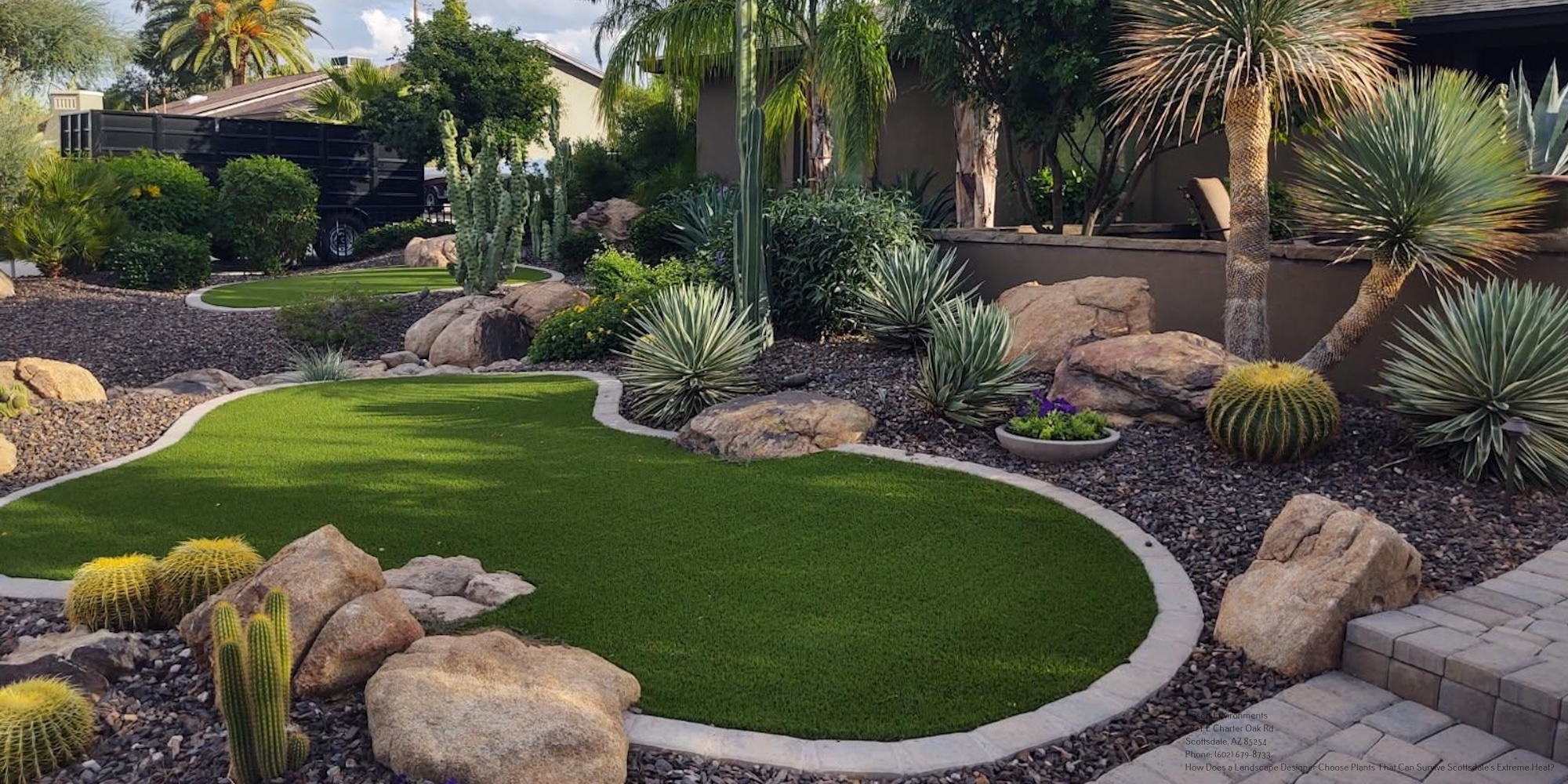
Plant choices should never be made without considering the rest of the project. A complete landscape may include pavers, decorative masonry, rocks, boulders, water features, landscape lighting, an outdoor fireplace, an outdoor kitchen, or a BBQ island. These elements affect where plants can be placed and how they should be viewed.
The landscape designer may use plants to frame a water feature, soften the edge of a paver installation, or establish a backdrop for an outdoor fireplace. Around outdoor kitchens and BBQ islands, plant placement should support the entertainment space without creating unnecessary obstacles. Along walkways, selections should enhance movement and visibility rather than crowding the route.
Landscape lighting installation is also coordinated with the planting plan. Lighting may be positioned to reveal plant textures, emphasize tree forms, or draw attention to an architectural feature. Considering plants and lighting together produces a more polished environment during both the day and evening.
Building a Cohesive Plant Palette
A cohesive plant palette uses repetition and variation in a controlled way. Too many unrelated selections can make a landscape appear disorganized, while too little variation may cause it to feel flat. A designer creates balance by repeating certain forms, colors, or textures and introducing contrast in deliberate locations.
The process generally focuses on four connected considerations:
- The amount and timing of sunlight in each planting area.
- The mature size and form of each plant.
- The relationship between plants, architecture, and installed features.
- The desired appearance of the complete outdoor living space.
These factors allow the landscape designer to develop a plan that feels unified while responding to the different conditions found throughout the property. Plant beds, trees, rocks, pavers, lighting, water features, and entertainment areas can then function as parts of one thoughtfully composed environment.
Create a Scottsdale Landscape Designed for the Heat
Choosing plants for Scottsdale’s extreme heat requires more than finding varieties associated with desert conditions. A successful landscape depends on understanding exposure, reflected warmth, mature plant size, property architecture, outdoor use, and the relationship between every installed feature. When these details are considered together, the result can remain visually balanced and appropriate for the urban desert.
Desert Environments brings decades of landscaping experience to the collaborative design and installation process. Mike oversees each project to help ensure the completed work follows the approved design, while open communication gives clients opportunities to ask questions and provide feedback. Services are guaranteed, and each outdoor environment is planned around the property owner’s aesthetic preferences and lifestyle.
Contact Desert Environments to discuss plant and tree selection, plant beds, water feature installation, paver installation, landscape lighting installation, BBQ island installation, outdoor kitchen construction, or an outdoor fireplace. Work with an experienced landscape designer in Scottsdale, AZ, to create an outdoor space that complements your home and thrives in Arizona’s demanding climate.
Other Services We Offer in Scottsdale, AZ
- BBQ Island Installation in Scottsdale, AZ: BBQ island installation creates a convenient and attractive outdoor cooking space designed for entertaining and enhancing your outdoor living experience.
- Landscape Lighting Installation in Scottsdale, AZ: Professional landscape lighting installation improves safety, visibility, and ambiance by highlighting walkways, outdoor features, and architectural elements.
- Outdoor Fireplace Contractor in Scottsdale, AZ: Custom outdoor fireplaces provide warmth, comfort, and a beautiful focal point, allowing you to enjoy your outdoor space year-round.
- Outdoor Kitchen Builders in Scottsdale, AZ: Outdoor kitchen builders create functional and stylish cooking and entertaining areas that seamlessly integrate with your outdoor environment.
- Paver Installation in Scottsdale, AZ: Expert paver installation delivers durable, visually appealing surfaces for patios, walkways, and outdoor living spaces built for longevity.
- Water Feature Installation in Scottsdale, AZ: Water feature installation adds movement and tranquility to your outdoor space with custom fountains and features that enhance both beauty and relaxation.
Do You Need a Landscape Designer for Your Outdoor Space?
Don’t wait—start planning your custom landscape today!