
Thoughtful Placement Can Turn Separate Outdoor Features Into One Cohesive Desert Environment
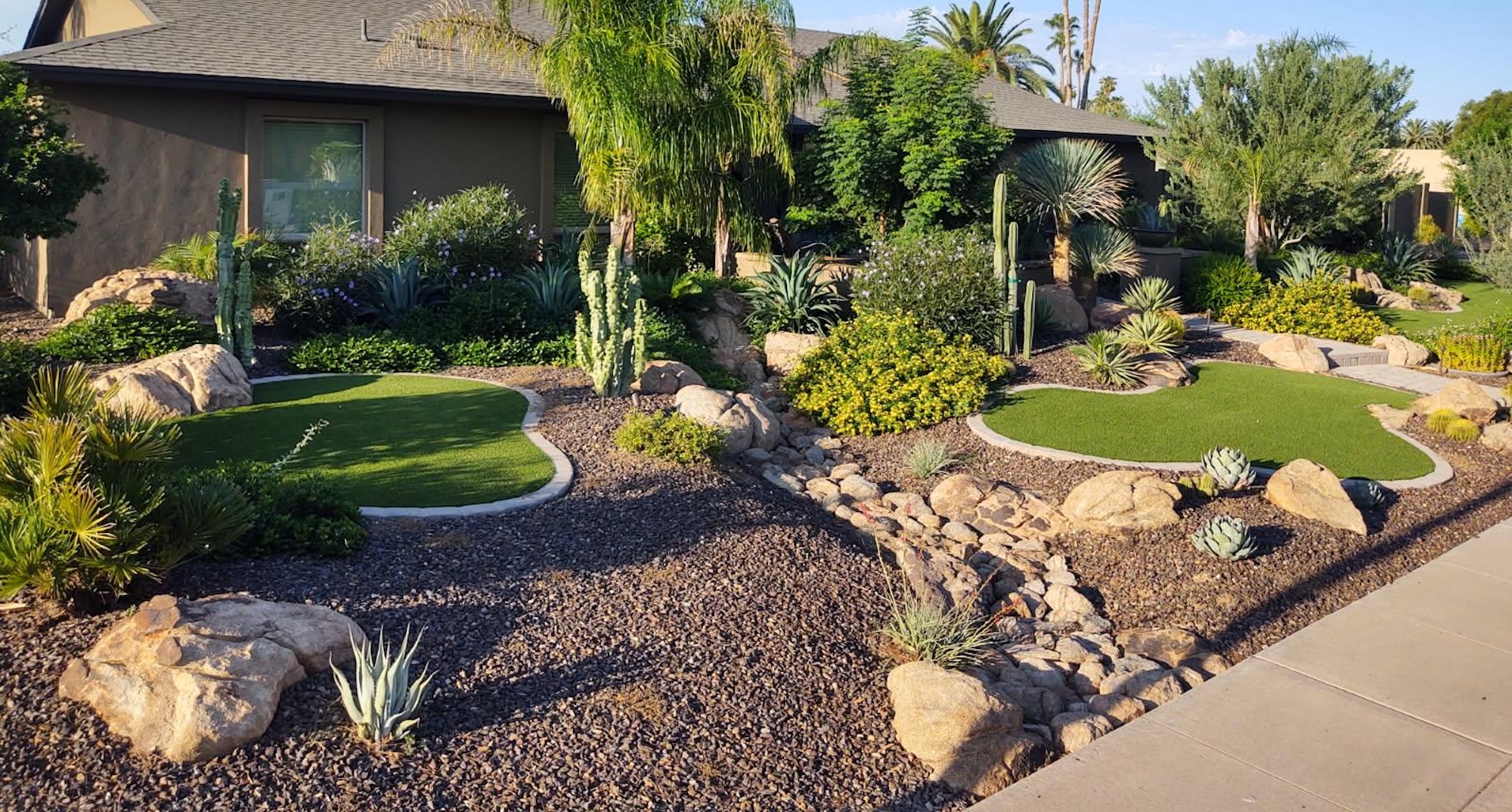
Rock, boulders, and gravel can do much more than occupy open areas in a desert yard. When they are considered as part of a larger landscape plan, these materials can help organize outdoor spaces, complement planting areas, reinforce pathways and gathering destinations, and create visual connections between different parts of the property. Working with a professional landscape designer in Scottsdale, AZ helps homeowners determine how these elements can fit alongside pavers, water features, outdoor kitchens, fireplaces, lighting, plants, and other features instead of making each improvement feel separate.
Desert Environments approaches landscape design by considering how homeowners actually want to use their outdoor spaces. The company provides select rock and boulder placement as part of its landscape architecture services, along with plant and garden beds, paver and decorative masonry installation, water features, outdoor kitchens, fireplaces, and low-voltage landscape lighting. By considering these features together, homeowners can create an outdoor environment with clear destinations, comfortable transitions, and a consistent design.
Why Rock and Boulder Placement Matters in Desert Landscape Design
A successful landscape plan needs to answer more than the basic question of where individual features should go. Desert Environments begins with how the property needs to function. Where will people gather? Which areas should connect? What should homeowners see when looking outside? Where should cooking, seating, pathways, water features, and other destinations fit within the yard?
Rock and boulder placement can contribute to that larger plan by helping shape the visual character of the landscape. Instead of treating these materials as leftover additions for unused areas, a landscape designer can consider them alongside plant and garden beds, pavers, decorative masonry, lighting, and other outdoor features.
This approach is particularly relevant for Scottsdale properties because every yard has different architecture, views, existing features, and homeowner priorities. An established property in McCormick Ranch may call for a different arrangement than an expansive desert property around Troon North. The design should respond to the household and property rather than forcing every landscape into the same arrangement.
A professional landscape designer in Scottsdale, AZ can therefore consider rock and boulder placement as one component of a larger outdoor environment rather than as an isolated decorative decision.
Rock Placement Can Give a Landscape Greater Visual Structure
One of the advantages of planning rock placement alongside other landscape features is the opportunity to create stronger visual organization. An outdoor space may include planting areas, pathways, an outdoor kitchen, a fireplace, lighting, and a water feature. Without an overall plan, each feature can begin to compete for attention.
Desert Environments emphasizes planning these elements together. The goal is to create clear destinations and comfortable transitions while maintaining a consistent design from one area of the property to another. Select rock placement can contribute to this approach by becoming part of the landscape’s overall visual composition. Rocks can relate to garden beds, nearby paver areas, water features, or other design elements, helping the yard feel intentional rather than assembled feature by feature.
The exact arrangement should depend on the property. A quieter outdoor environment may emphasize hardscape, lighting, and views, while a landscape designed for entertaining may place more emphasis on connections between an outdoor kitchen, gathering area, fireplace, or water feature. The important point is that rock placement should support the larger design instead of becoming another unrelated focal point.
Do You Need a Landscape Designer for Your Outdoor Space?
Don’t wait—start planning your custom landscape today!
Boulders Can Add Definition Without Making Every Area Identical
A cohesive landscape does not require every section of the property to look exactly the same. In fact, Desert Environments notes that related hardscape elements can connect spaces serving different purposes without making everything identical.
Boulders can be considered through the same design perspective. Their placement can contribute to the overall character of the landscape while helping different areas feel related. Because Desert Environments specifically includes select rock and boulder placement among its landscape architecture services, these features can be planned alongside plant beds, water features, masonry, pavers, fireplaces, outdoor kitchens, and lighting.
This allows homeowners to create variation while still maintaining a clear aesthetic direction. One section of the yard might place greater emphasis on planting and rock, while another focuses on pavers and an outdoor gathering area. Thoughtful planning can help both spaces feel like parts of the same property.
The result is a landscape that has distinct destinations without looking divided into unrelated projects.
Gravel Should Support the Larger Landscape Plan
Gravel can also contribute to the visual character of a desert landscape, particularly when it is considered in relation to the other materials and features in the yard. However, Desert Environments’ core service description specifically identifies select rock and boulder placement rather than detailing particular gravel installation methods or applications.
For that reason, homeowners should think about gravel primarily as part of the overall material palette when discussing a landscape plan with the design team. Its appearance should make sense alongside pavers, decorative masonry, rocks, boulders, plant and garden beds, and the architecture surrounding the outdoor space.
The broader design principle remains the same: materials should not be selected independently when they will ultimately be seen together. A landscape designer in Scottsdale, AZ can look at the property as a complete environment and determine how different materials relate visually from one area to another. This larger perspective helps prevent an outdoor space from becoming a collection of individual materials that do not share a consistent design direction.
Rock and Planting Areas Can Work Together
Desert Environments provides desert and tropical plant and tree selection as well as plant and garden bed design. Rock and boulder placement can therefore be considered alongside planting areas rather than separately from them. This relationship can influence the visual balance of the landscape. Plants introduce shape and variety, while rock and boulder placement can contribute another layer to the overall composition. Planning these features together allows the design to consider how different elements will appear when viewed from the home, a patio, a pathway, or another outdoor destination.
The landscape should ultimately respond to how homeowners spend time outside. Some properties may place greater emphasis on garden areas, while others may focus more heavily on outdoor entertaining and hardscape. Rock and boulder placement can be adapted to that larger purpose. Rather than beginning with individual products or isolated improvements, Desert Environments starts with the overall plan. That helps planting areas, rock placement, and other features contribute to the same outdoor experience.
Pavers Can Create Connections Between Desert Landscape Features
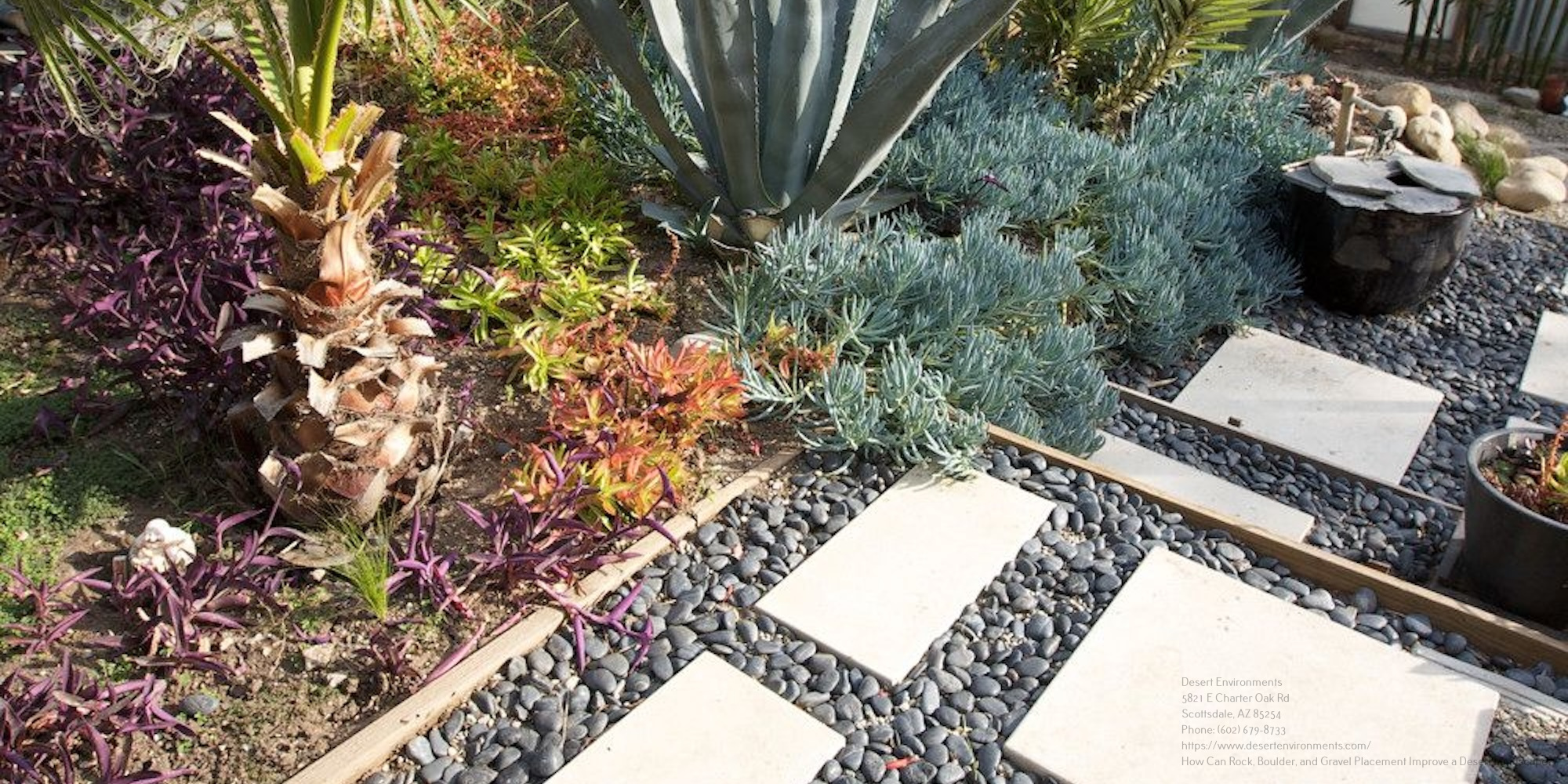
Paver installation is another important part of Desert Environments’ work. Pavers can define patios, walkways, and transitions between different outdoor destinations, making them particularly useful when a landscape contains several functional areas.
Material and pattern choices can also reinforce the landscape’s visual style. Carrying related hardscape elements through multiple areas creates connections without requiring every space to look exactly alike.
When pavers are being incorporated alongside rocks and boulders, planning them together can help create a more consistent outdoor environment. A walkway might visually connect the home to an outdoor kitchen, fireplace, seating destination, or water feature, while surrounding landscape materials support the same overall design.
This illustrates why a landscape plan should be developed before individual features are placed wherever space happens to be available. The relationships between those features often matter as much as the features themselves.
Water Features Can Add Another Dimension to Rock-Based Designs
Water features introduce movement and sound into an outdoor environment. Desert Environments provides unique water features and fountains as part of its landscape architecture services, allowing these features to be planned alongside rocks, boulders, planting areas, pavers, and other elements.
A water feature should not automatically become an isolated centerpiece. Its placement can instead respond to surrounding views, gathering areas, pathways, and the broader visual plan for the property. Rock and boulder placement can be considered as part of that surrounding environment. Because Desert Environments plans water features and select rock and boulder placement within its landscape design services, the features can be evaluated together rather than added at unrelated stages.
This helps maintain balance. If every element is designed to command attention independently, the landscape can feel visually crowded. Coordinating focal points allows each feature to contribute without competing unnecessarily with everything around it.
Outdoor Kitchens and Fireplaces Should Fit the Same Design
Many Scottsdale homeowners want their landscapes to support outdoor gathering and entertaining. Desert Environments provides BBQ island installation, outdoor kitchen building, and outdoor fireplace services, making these features another important consideration within the overall landscape plan.
Outdoor kitchens work best when circulation, seating, and nearby gathering areas are considered alongside the cooking space. Rather than placing a kitchen wherever there happens to be room, landscape design can determine how it fits into the larger outdoor living experience. Fireplaces can similarly establish natural gathering destinations. Rock, boulders, pavers, and surrounding landscape features can then be considered in relation to these functional areas.
For example, a landscape plan might create a sequence leading from the house toward an outdoor kitchen and continuing toward another gathering area or water feature. Related materials can help those destinations feel connected even when each serves a different purpose. The result is an outdoor space built around how the household spends time outside rather than a yard filled with disconnected features.
Landscape Lighting Can Highlight the Overall Design After Sunset
Landscape design does not stop being important when the sun goes down. Desert Environments installs low-voltage landscape lighting systems that can define pathways, highlight selected features, and help outdoor areas remain visually engaging after sunset.
Lighting can be especially effective when it is planned at the same time as other landscape elements. Selected rocks, boulders, planting areas, pathways, water features, outdoor kitchens, and fireplaces can all contribute to the nighttime appearance of the property. The goal is not to make every feature compete for attention. Instead, lighting can reinforce the hierarchy established by the landscape plan, drawing attention to selected destinations and helping pathways remain visually defined.
Working with a landscape designer in Scottsdale, AZ allows homeowners to consider daytime and nighttime views as parts of the same design rather than treating lighting as an unrelated improvement added later.
How Should Rock and Boulder Placement Be Planned?
The strongest approach begins with the entire property rather than immediately choosing individual materials. Homeowners can work through several basic questions with their landscape designer:
- Determine how the yard will be used. Identify gathering, cooking, relaxing, and transition areas.
- Consider important views. Think about what should be visible from inside the home and from major outdoor destinations.
- Connect functional areas. Plan how pavers, pathways, and related landscape elements can establish comfortable transitions.
- Coordinate the materials. Consider rocks and boulders alongside planting areas, masonry, pavers, water features, and other improvements.
- Plan focal points carefully. Decide which features should attract attention so every part of the landscape does not compete visually.
These decisions allow rock and boulder placement to become part of an intentional design. Instead of asking only where a particular material can fit, homeowners can consider how each choice contributes to the experience of the entire property.
Experience Helps Bring Multiple Landscape Features Together
Landscape projects become more complex when several improvements need to share the same physical space. Pavers, lighting, outdoor kitchens, water features, planting areas, rocks, and boulders all have to work within the dimensions and existing features of the property.
Desert Environments has been in business for more than 25 years and brings over 12 years of landscape architecture experience to its projects. The company is licensed and bonded and offers free estimates. That experience is valuable when homeowners are planning several connected improvements. Starting with the larger landscape plan allows individual choices to support the overall environment instead of making each new feature a separate design decision. Whether the project involves rethinking an existing Scottsdale backyard or introducing several new outdoor features at once, the design can be built around the way the homeowner wants to live outside.
Create a Desert Landscape That Feels Intentional From One Area to the Next
Rock, boulder, and gravel placement can contribute to a stronger desert landscape when these materials are considered within the complete outdoor design. Rather than filling unused areas without a plan, rock and boulder placement can relate visually to plant beds, pavers, decorative masonry, water features, lighting, outdoor kitchens, fireplaces, pathways, and gathering destinations.
Desert Environments approaches each property by considering its architecture, views, existing features, and the way homeowners want to use their outdoor space. With more than 25 years in business and over 12 years of landscape architecture experience, the team can develop a plan that brings individual features together into a more cohesive environment.
Contact Desert Environments for a free estimate and start planning an outdoor space around the way you want to live. An experienced landscape designer in Scottsdale, AZ can help integrate rock, boulder, and other landscape elements into a thoughtful design that connects your entire property.
Other Services We Offer in Scottsdale, AZ
- BBQ Island Installation in Scottsdale, AZ: BBQ island installation creates a convenient and attractive outdoor cooking space designed for entertaining and enhancing your outdoor living experience.
- Landscape Lighting Installation in Scottsdale, AZ: Professional landscape lighting installation improves safety, visibility, and ambiance by highlighting walkways, outdoor features, and architectural elements.
- Outdoor Fireplace Contractor in Scottsdale, AZ: Custom outdoor fireplaces provide warmth, comfort, and a beautiful focal point, allowing you to enjoy your outdoor space year-round.
- Outdoor Kitchen Builders in Scottsdale, AZ: Outdoor kitchen builders create functional and stylish cooking and entertaining areas that seamlessly integrate with your outdoor environment.
- Paver Installation in Scottsdale, AZ: Expert paver installation delivers durable, visually appealing surfaces for patios, walkways, and outdoor living spaces built for longevity.
- Water Feature Installation in Scottsdale, AZ: Water feature installation adds movement and tranquility to your outdoor space with custom fountains and features that enhance both beauty and relaxation.
Do You Need a Landscape Designer for Your Outdoor Space?
Don’t wait—start planning your custom landscape today!